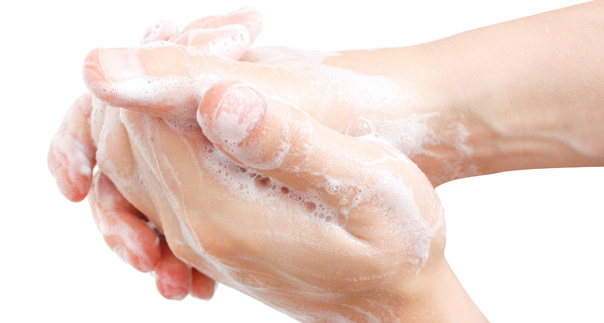
It takes a combination of hand hygiene education and proper hand-washing techniques to reduce the risk of illness

Coming clean with proper hand hygiene
By Kevin Freeborn
September 1, 2011


I am often asked about hand washing versus hand sanitizers and if gloves are good or bad. As usual, there is not always a simple answer, but research in the Journal of Food Protection suggests that old-fashioned hand washing with non-antibacterial soap is still the most effective way to reduce the risk of contaminating food.

But hand washing alone isn’t enough. It takes a combination of hand hygiene education and proper hand-washing techniques to reduce the risk of illness.

Improper hand washing may actually increase risk. If food handlers simply rinse their hands and shake off the water they may loosen micro-organisms that come off more easily on food and food contact surfaces.  Gloves can reduce risk, but food handlers may not wash their hands as often when wearing gloves, thereby reducing any benefits.


Educating food handlers about how hands can contaminate food is the starting point to improved hand hygiene. Many organizations have effectively demonstrated contamination from hands using lotion that is sensitive to ultra-violet light. One such program at the Washington State University called Germ City  claims 12 to 28 per cent of adults have changed their behavior after learning how hands can contaminate your environment.

Training people how to properly wash their hands is essential. This involves using soap and warm water, washing for at least 20 seconds, and drying hands with paper towel. Remind your food handlers about proper hand-washing techniques on a regular basis. For training to be retained it needs to happen often throughout a food handler’s career.

Nethris/CGI Jan - 2016

Posted in Uncategorized