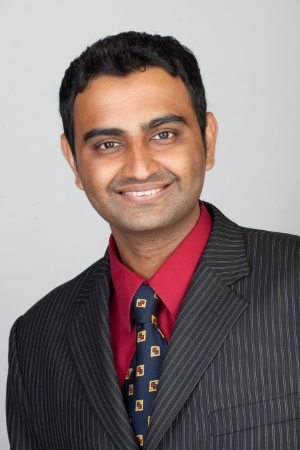
| The cuisine at the 150-seat restaurant is contemporary, and the atmosphere is casual. All food is made in-house from scratch, including all salad dressings, breads, French fries, desserts, and much of the food is sourced locally. Favourites include Butternut Squash Ravioli and Venison Shepherd’s Pie, and several vegetarian and vegan dishes are offered such as Sri Lankan Vegan Chick Pea Curry. The menu changes seasonally as ingredients become available. Manikumar stresses the importance of his star chef, Marc Breton, to the restaurant’s success. “He used to work as a chef for the Gladstone Hotel, and I think he’s fantastic. He loves the fact that we’re cooking everything in house from scratch. This is a restaurateur’s intuition when I say ‘this guy’s got it’ – it’s a very technical term we use,” laughs Manikumar. “He’s got the goods.” With an eye to the future, Manikumar sees SIGNS becoming a tourist destination, as 60 to 70 per cent of the guests are international. Fight for accessibilitySurprisingly, considering its concept, the biggest challenge right now for the business is its accessibility. The busy location at Yonge and Wellesley in downtown Toronto leaves little room for a wheelchair ramp. After checking with the city, Manikumar had a temporary ramp installed and was quickly asked to take it down by the city as it infringes on sidewalk space. The highly publicized battle has played out in the Toronto media, and at the time of this writing, the ramp is still up. “It is an issue we have in terms of accessibility and because we really want to be a business which doesn’t discriminate against anybody,” Manikumar explains. “It’s not fair that a company can be turning away somebody with a disability, or their family and friends who use a wheelchair. We want to ensure that we are all-inclusive and accessible and set an example. The 2015 Pan Am and Para Pan Am Games are coming to the city soon, and thousands of Tourists requiring accessibility will be coming to our city. We have to show them that Toronto is accessible.” Differentiation is keyAsked if he has any business tips for restaurateurs looking to start their own business, Manikumar stresses differentiation. “I think it’s very important, from a business perspective, to have an understanding of what the restaurant’s concept is,” explains Manikumar. “The focus on food is very important, but it’s also important to have a good concept. There are a lot of restaurants around the world, and in Toronto we have over 10,000 restaurants. The level of competition is phenomenally high, so the restaurant should have some sort of strength that sets itself apart from the others.” While once a competitive table tennis and chess player, the 28-year-old bachelor has put his interests aside while launching the restaurant, though he does spend some spare time organizing events for Ryerson alumni. He doesn’t see his passion subsiding any time in the future. “We are more than a business. We are an all-inclusive business. We truly believe that regardless of a person’s race, sexual orientation or disability, we treat them as guests,” says Manikumar. “We feel it is important to understand that these are our core values. Our restaurant spreads a message of what Toronto is truly about, which is the fact that it is one of the most culturally diverse cities in the world and we intend to build on that premise.” See also:
About the author Steven Chester is the editor and social media community manager for Restaurant Central. His 14-year journalism background includes writing and editing for digital and traditional media. He is an expert in social media, online content and email newsletter development. Follow him on Twitter at @restaurantCRFN. | |